Trustindex verifies that the original source of the review is Google.
Went here for dinner. We had Muttom litti choka thali. There was just one small piece in thali. In past we had champaran mutton handi somewhere else in Bengaluru. We were blown away by flavours. We specifically asked if mutton will be same as handi mutton, which they said yes. But we were underwhelmed by mutton here. Litti & veg dishes were good though.
Surprisingly even though 4 tables were occupied, no staff was there in dining area for long time. We had to wait for quite sometime before we could ask for some follow up orders.
Overall experience was average. May not visit again.
Posted on Google
Satwik Kumar
Trustindex verifies that the original source of the review is Google.
Food was quite alright, I would suggest Thar over this place, it’s nearby. The staff was extremely rude and wouldn’t even refill the Dals, and raita which was quite unexpected.
Posted on Google
pratik anshuman
Trustindex verifies that the original source of the review is Google.
Simply awesome, best mutton in bangalore, Excellent food. Short but delicious menu with all items on point. Must try, Ahuna mutton, litti chokha, chicken taas, paneer tikka.
Posted on Google
Arghya Kanti Roy
Trustindex verifies that the original source of the review is Google.
Loved their champaran mutton and Chicken taas. If you are taking away, they even pack the food in earthen pots. Brilliant food. People should visit/order/take away more often from here.
Serving Rustic Champaran Meat Now in Bengaluru
A Legacy of Flavors
Once upon a time in the lush green fields of Champaran, a region in the Indian state of Bihar, there existed a vibrant and diverse culinary tradition that was as rich as the fertile soil that adorned the landscape.
In a small village nestled amidst the rolling fields, there lived a young girl named Maya. Maya grew up surrounded by the tantalizing aromas wafting from the kitchens of her home and the neighboring houses. Her grandmother, a skilled cook, was known far and wide for her expertise in blending spices and creating delectable dishes.One sunny morning, Maya woke up to the sounds of birds chirping and the fragrance of spices lingering in the air. She hurriedly got ready, eager to explore the culinary wonders of Champaran that her grandmother often spoke about. With a woven basket in hand, Maya set off on her adventure, determined to learn the secrets behind the renowned Champaran cuisine.
Her first stop was a bustling marketplace adorned with colorful stalls selling fresh vegetables, aromatic spices, and grains. The vendors greeted Maya warmly, sharing stories of their produce and the traditional recipes passed down through generations. Maya’s eyes sparkled with curiosity as she observed the array of ingredients that formed the backbone of Champaran’s culinary heritage – mustard seeds, fenugreek leaves, kalonji (nigella seeds), and the famed Basmati rice.
As she wandered through the marketplace, Maya encountered a group of women gathered around large clay pots simmering over open fires. They were preparing “Pittha,” a local delicacy made from rice flour stuffed with spiced lentils or jaggery and grated coconut, wrapped in leaves, and steamed to perfection. The women graciously welcomed Maya into their circle, teaching her the art of crafting these flavorful treats.
Next, Maya ventured into a household renowned for its “Sattu Paratha,” a hearty dish made from roasted gram flour stuffed into wheat dough and cooked on a griddle. The family generously shared their recipe and techniques, showcasing the importance of using locally sourced ingredients for an authentic taste.
Throughout her culinary expedition, Maya discovered the significance of “Thecha,” a fiery chili and garlic chutney that added a punch to any meal, and “Litti Chokha,” a dish comprising roasted wheat balls stuffed with spicy gram flour, served with a side of mashed vegetables.
As the day drew to a close, Maya returned home, her basket filled with spices, fresh produce, and cherished memories of the flavors and warmth that defined Champaran’s food culture. She couldn’t wait to recreate the dishes she had learned and share them with her family, preserving the culinary legacy of Champaran for generations to come.
From that day forward, Maya continued to hone her cooking skills, passing down the treasured recipes and the essence of Champaran’s food to her own children, ensuring that the flavors of her beloved village would endure forever.
And so, the tale of Champaran’s food, with its aromatic spices, wholesome ingredients, and heartfelt traditions, continued to thrive, weaving its way into the hearts and palates of those who cherished its taste and heritage.
our special menu
A Symphony of Flavors
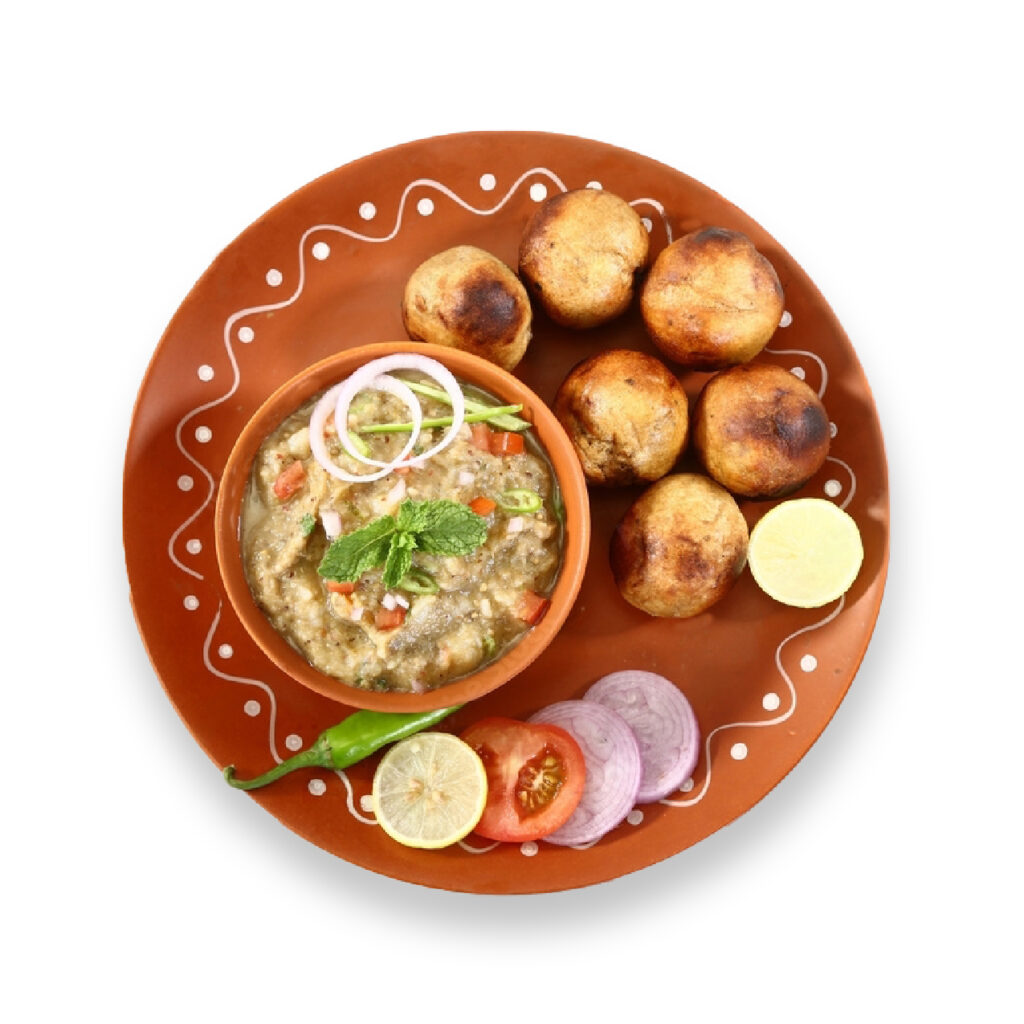
Litti Choka
Smokey flames, buttery ghee, and the boldest flavours of Bihar—all wrapped up in this iconic duo.
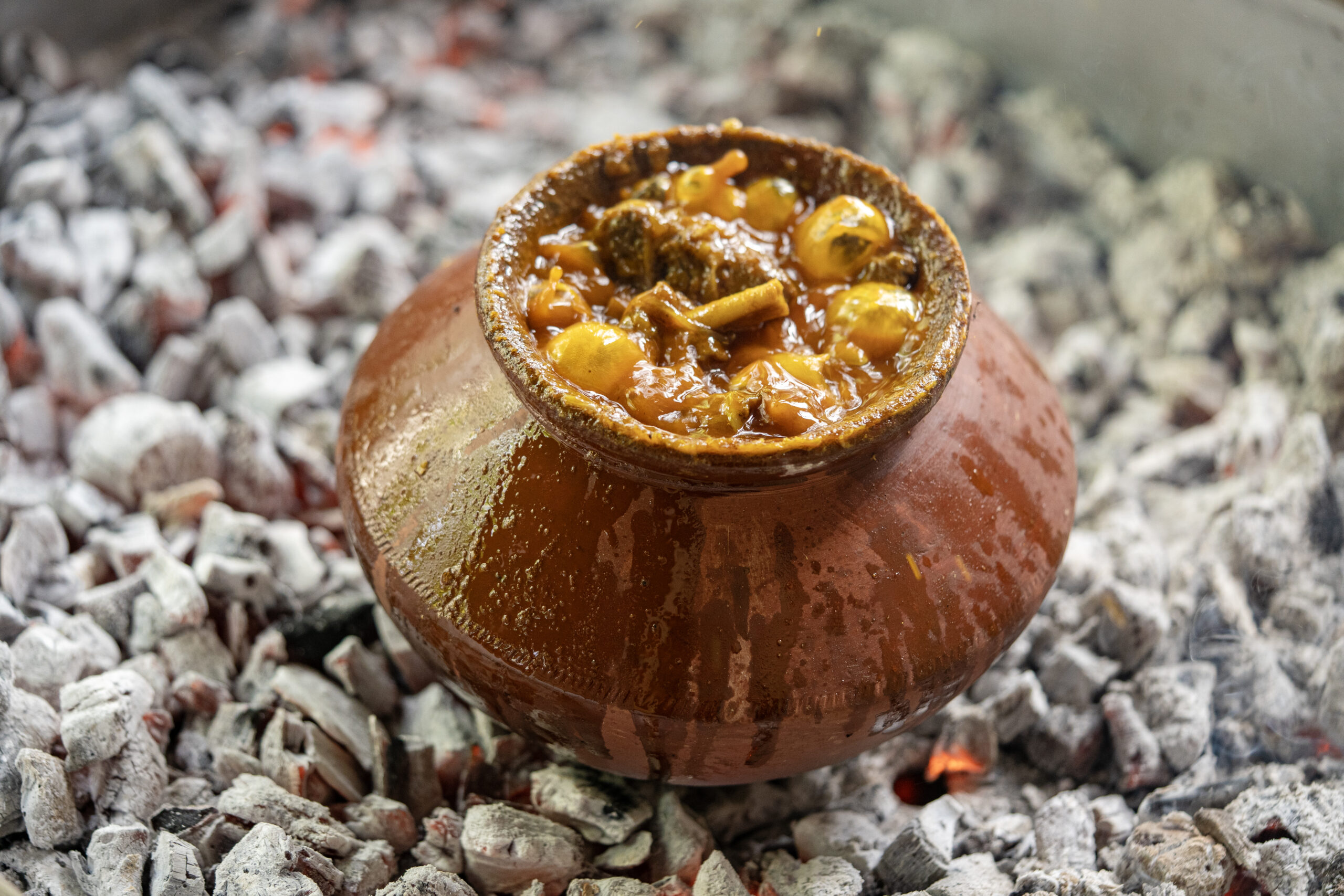
Champaran Handi Mutton
The distinctive cooking technique involves slow-cooking marinated mutton in earthen pots sealed with dough, which locks in the rich flavours and juices. This method, passed down through generations, also embodies the simplicity of village life.
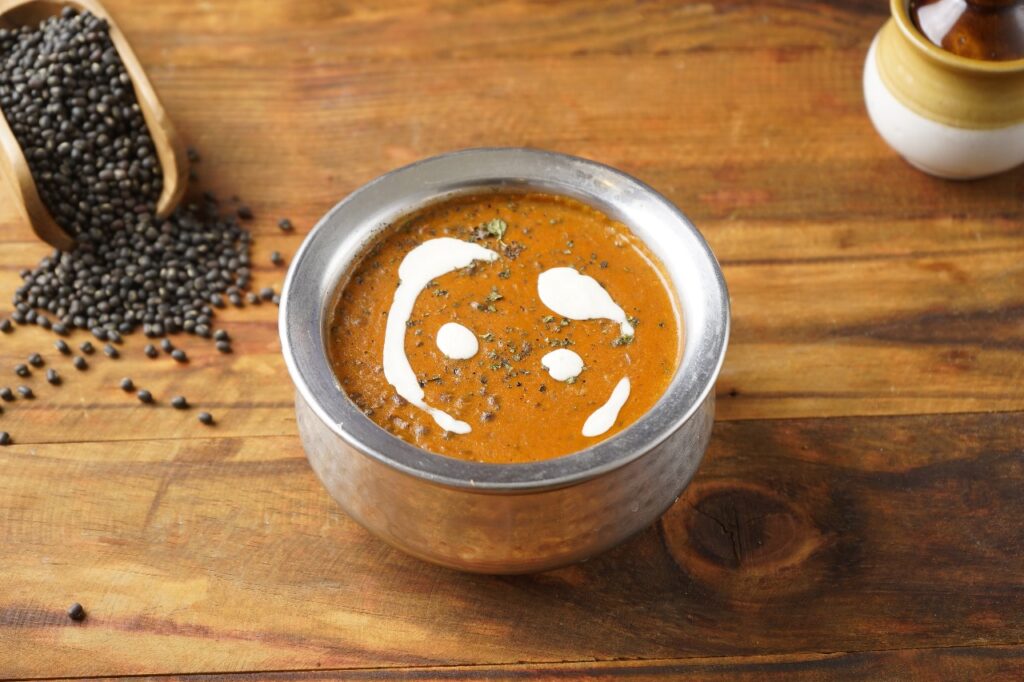
dal Makhani
It's a buttery, rich, black lentil dish that is slow cooked with a lot of time, and a lot of love
our special menu
A Symphony of Flavors
Litti Choka
Smokey flames, buttery ghee, and the boldest flavours of Bihar—all wrapped up in this iconic duo.
Champaran Handi Mutton
The distinctive cooking technique involves slow-cooking marinated mutton in earthen pots sealed with dough, which locks in the rich flavours and juices. This method, passed down through generations, also embodies the simplicity of village life.
Why Choose Us
Unrivaled Culinary Excellence
Where Tradition Meets Innovation for an Unforgettable Dining Experience
Our menu is a testament to age-old recipes passed down through generations. Each dish carries a rich history, a tale of love, and a sprinkle of culture.
Expert Chefs
Our menu is a testament to age-old recipes passed down through generations. Each dish carries a rich history, a tale of love, and a sprinkle of culture.